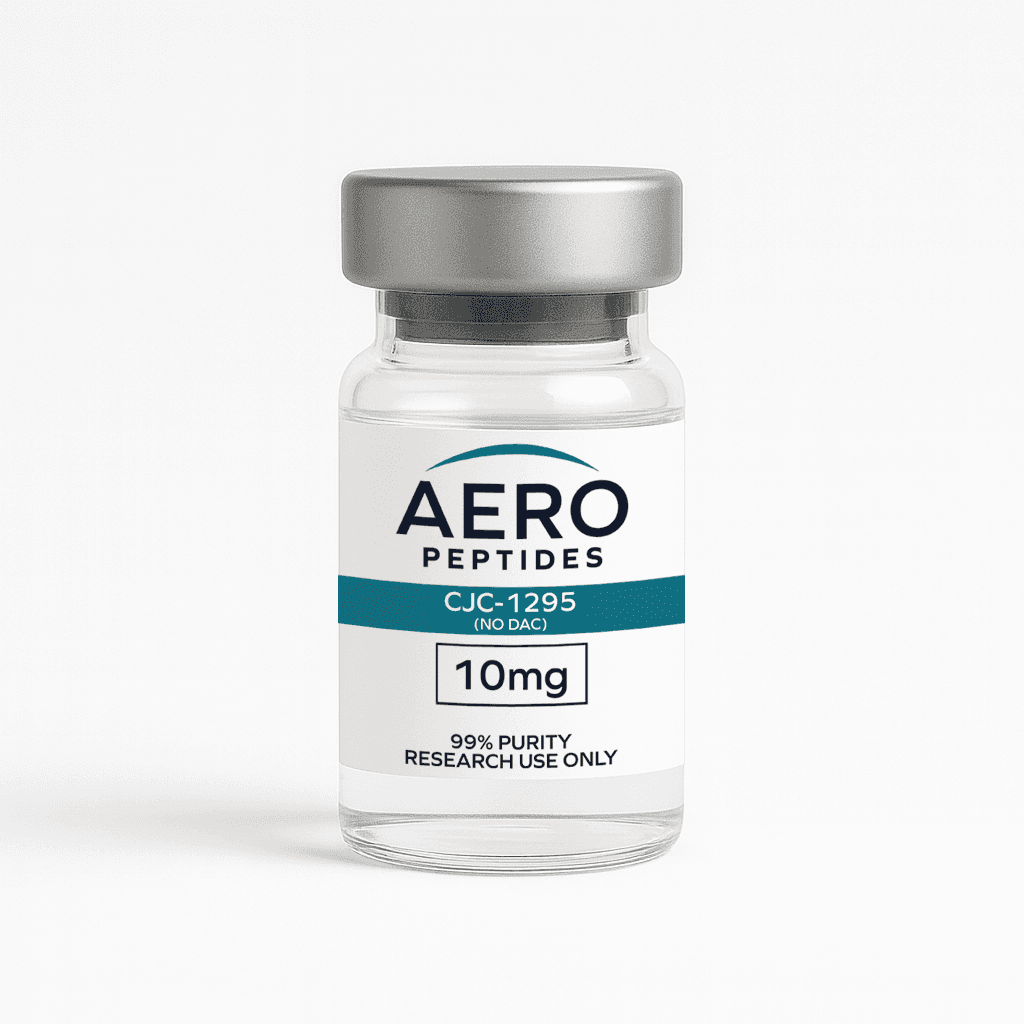
Growth-hormone secretagogues are synthetic analogues of two endogenous classes: growth-hormone-releasing hormone (GHRH) and growth-hormone-releasing peptides (GHRPs). Compounds in this shelf modulate the pituitary somatotropic axis — either by mimicking hypothalamic GHRH at its receptor (sermorelin, tesamorelin, CJC-1295) or by acting as ghrelin-receptor agonists (ipamorelin). The combined or “stacked” approach in preclinical work usually pairs one of each class to amplify endogenous GH pulses.
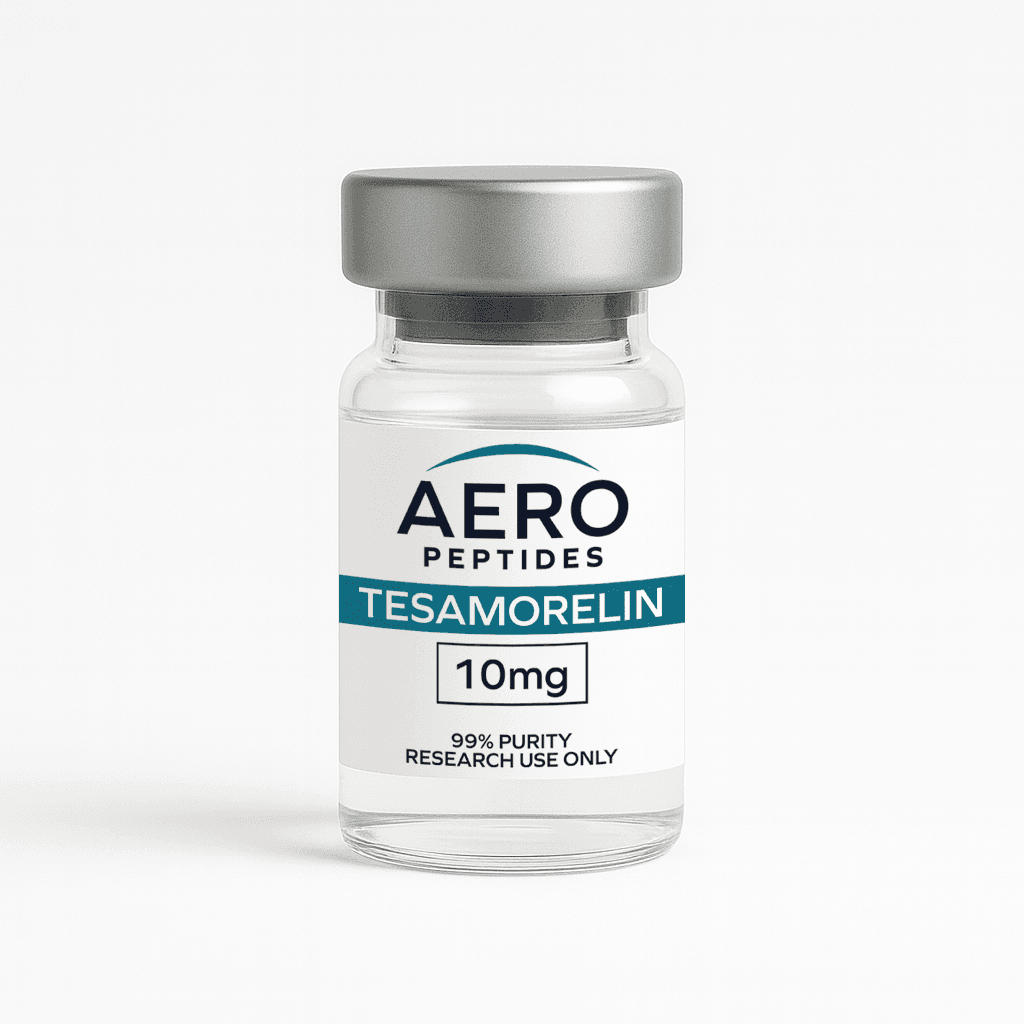
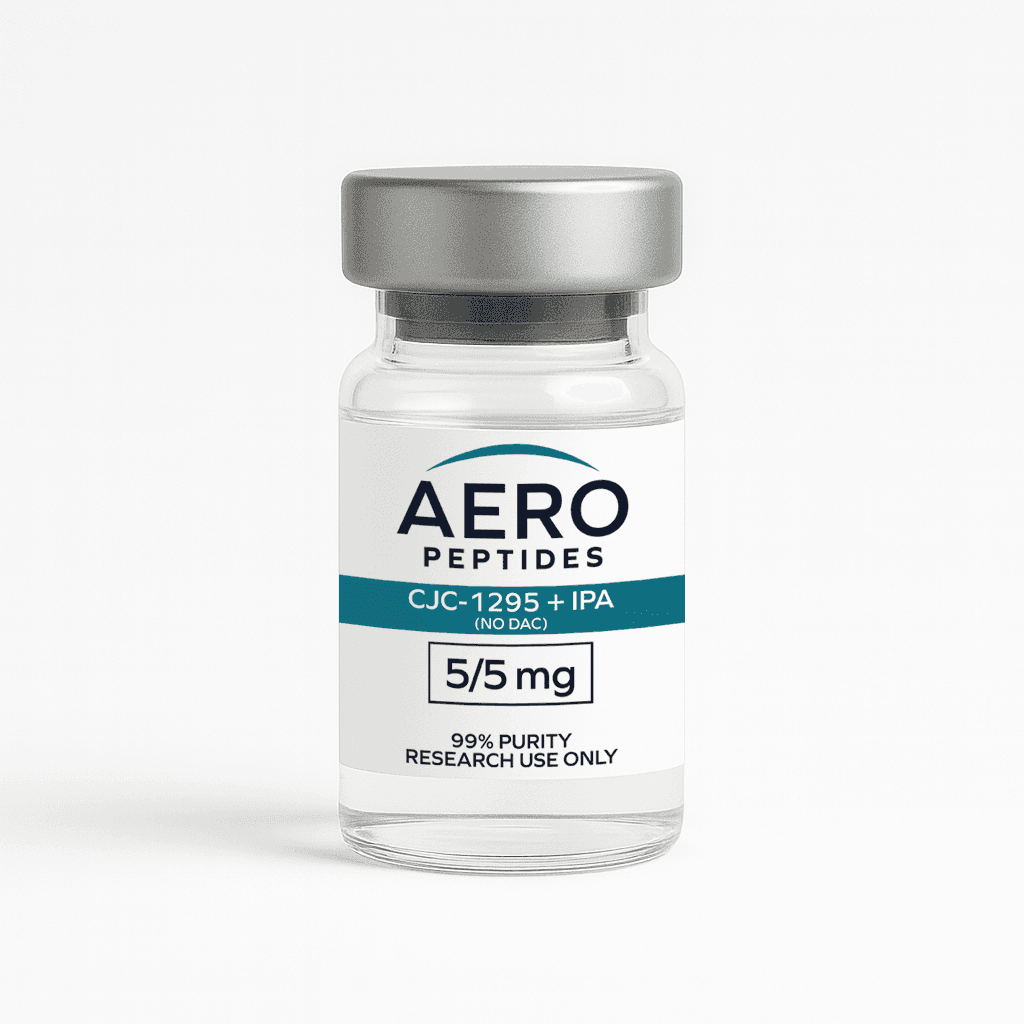
Sermorelin (GRF 1-29) is the truncated bioactive fragment of human GHRH, studied for over three decades in pituitary-stimulation protocols. Tesamorelin extends the half-life via a hexenoyl modification and is the only GHRH analogue with a regulatory approval (HIV-associated lipodystrophy). The CJC-1295 family adds a maleimide DAC linker that binds covalently to albumin Cys34, extending the half-life to multi-day kinetics suitable for once-weekly research protocols; CJC-1295 without DAC retains the ~30-minute kinetics of native GHRH. The no-DAC + ipamorelin blend is the canonical combined-mechanism preparation in the literature.
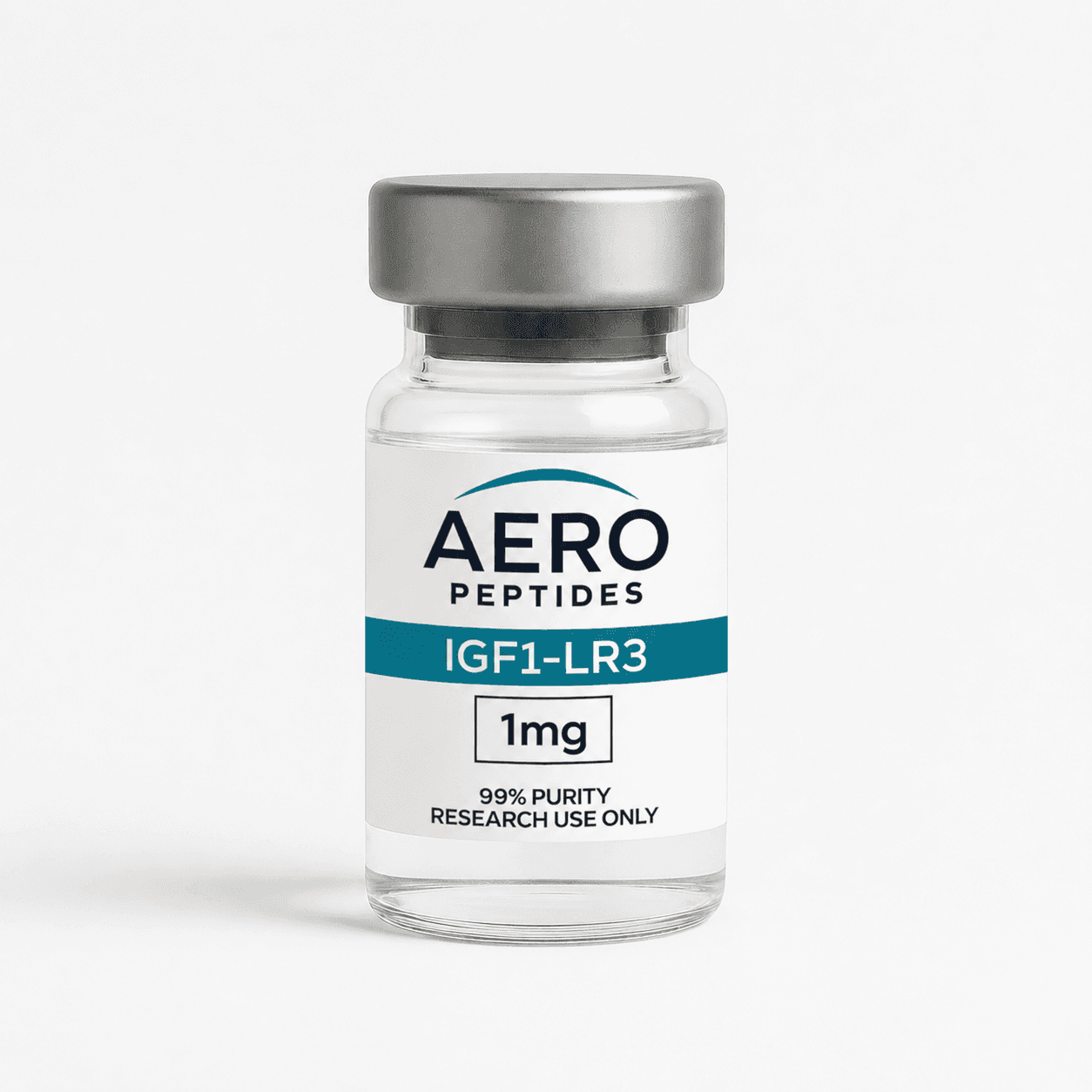
IGF1-LR3 sits downstream — a recombinant analogue of insulin-like growth factor 1 with an N-terminal Long-Arg3 modification that reduces IGFBP binding and extends circulating activity. Researchers reach for it when they want to bypass the pituitary entirely and study IGF1-receptor effects directly. For research use only; observed effects in preclinical models do not transfer predictably to human cohorts outside controlled trial conditions.