The repair-and-recovery shelf collects peptides whose published preclinical work centres on tissue regeneration: tendon and ligament models, dermal wound assays, gastric mucosa research, and the angiogenic and collagen-deposition pathways that feed all three. Most of the compounds here are short oligopeptides or fragment-derived sequences originally isolated from native protective systems — BPC-157 from human gastric juice, TB-500 from thymosin β-4, KPV from α-MSH.
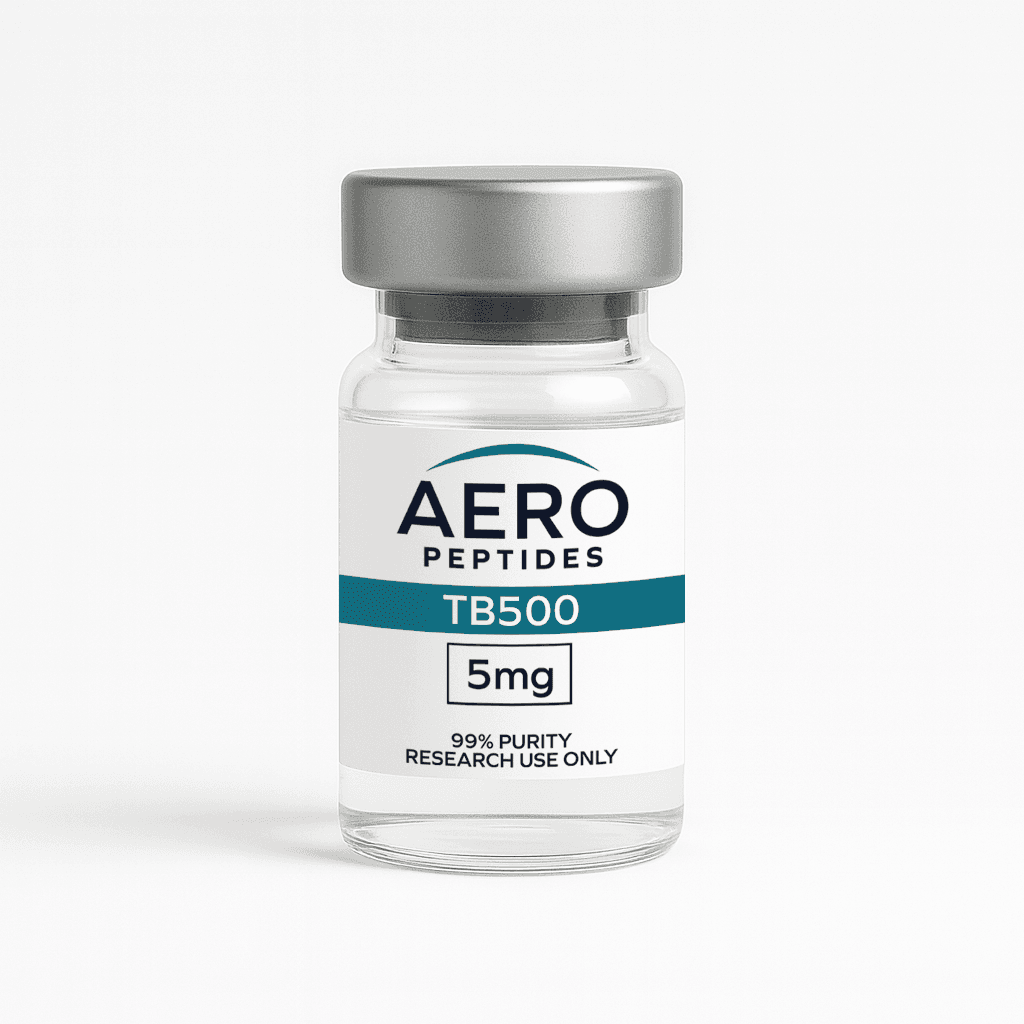
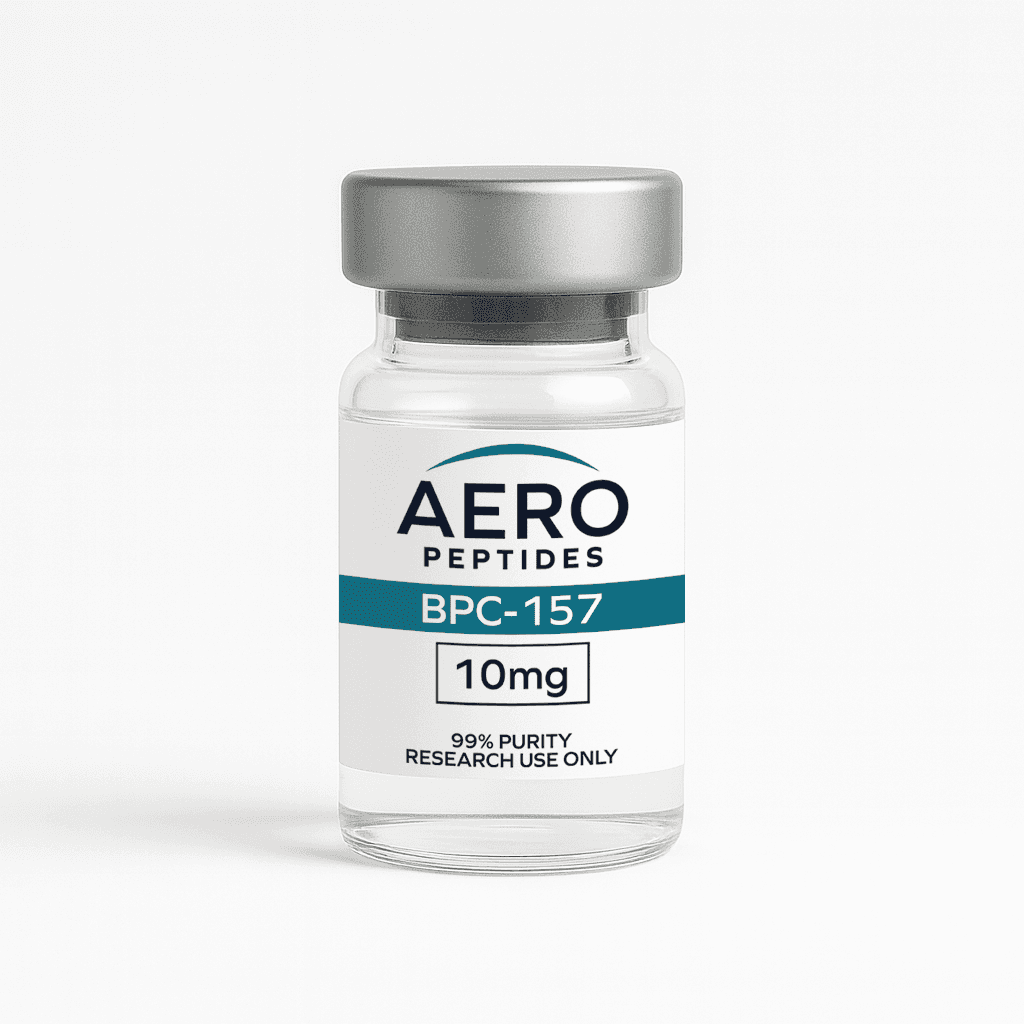
Among the most-cited compounds in the Aero Peptides catalogue, BPC-157 (a 15-amino-acid synthetic pentadecapeptide) dominates the rodent literature on Achilles tendon repair, transected-ligament models, and gastric ulcer protocols. TB-500 (an acetylated N-terminal fragment of thymosin β-4) is the canonical actin-binding peptide in cardiac and dermal wound research, and frequently appears alongside BPC-157 in combined-mechanism preclinical work. KPV (Lys-Pro-Val) is a minimal tripeptide studied in mucosal-inflammation and IBD models, where its small size lets it survive intestinal peptidase activity.
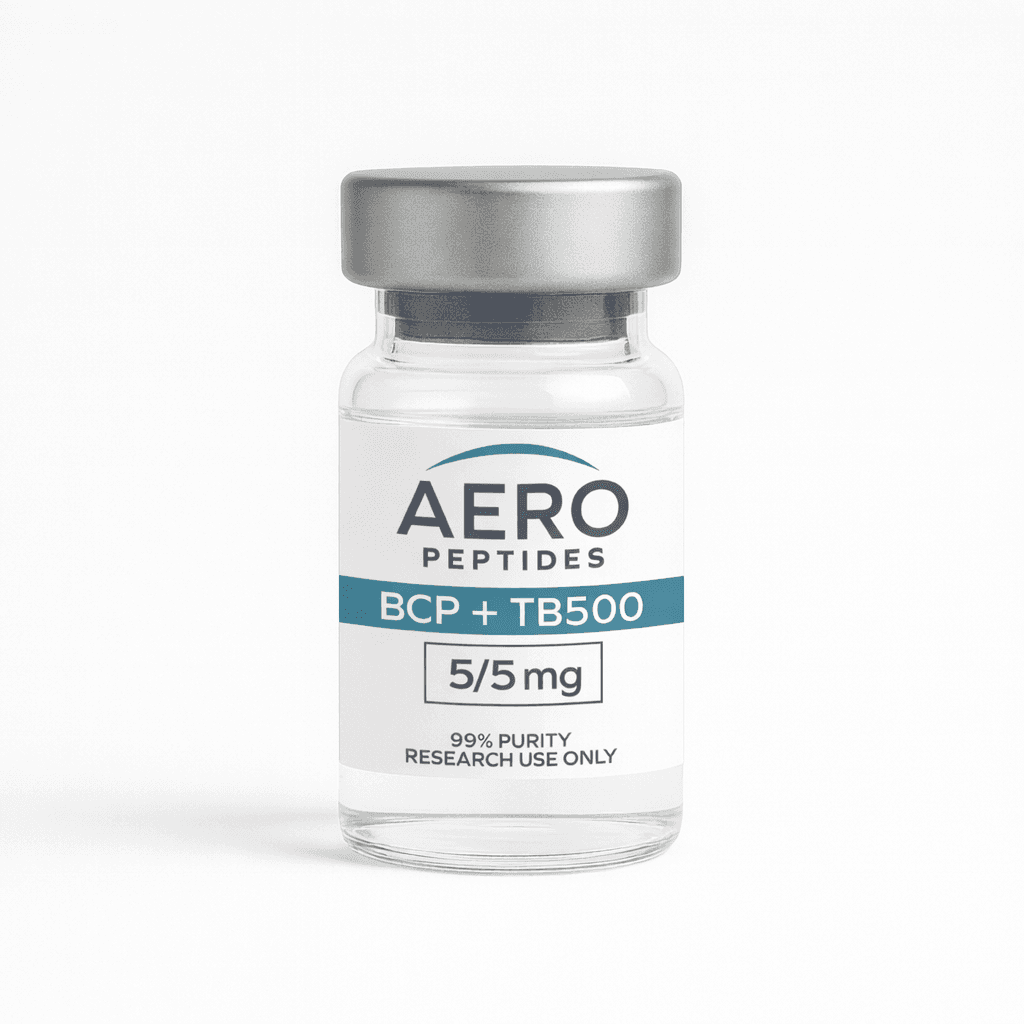
Researchers selecting between them generally do so on the basis of route, half-life, and the specific tissue under study. Plasma half-lives are short for the monomer peptides (minutes to hours), so most published protocols use multi-day dosing schedules. The BPC+TB blend is pre-combined at a fixed ratio matching the canonical combined-mechanism literature, for researchers replicating dual-pathway protocols. For research use only; no compound here has an approved human or veterinary indication.